

Top 10 Strongest Muslim Empires in History
The story of Islam isn’t just one of conquest. It’s an incredibly human story one of communities shaping civilization, science, trade, justice, knowledge, and art across continents. From Arabia to Africa, from Andalusia to India, Muslim empires built bridges between cultures, preserved human knowledge, and set world records in science, philosophy, arts, and governance.
1. Rashidun Caliphate (632–661 CE)

The truly humble origin of Islamic governance: under these four rightly guided caliphs, the Muslim community, united by faith, expanded from Mecca and Medina across Arabia and beyond. Despite facing the mighty Byzantine and Sassanian empires formidable powers with centuries of military tradition, they triumphed. Fighting battles like the Battle of Yarmouk and the Siege of Hatra, they achieved what scholars still call one of the most remarkable military feats in history, defeating two ancient empires simultaneously.
At its peak, the Rashidun Caliphate controlled an area stretching from the Atlantic coast of Morocco to the Indus Valley, and to this day, it remains the benchmark of justice, piety, and organizational excellence.
If you want the Rashidun flag, you can find it in our collection.

2. Umayyad Caliphate (661–750 CE)

Under the Umayyads, Islam transformed from a spiritual movement into a global civilization. With Damascus as a cultural and administrative capital, the empire stretched from Spain (Al-Andalus) to the Indus River. Trade routes connected Spain, Central Asia, and South Asia, making the Caliphate the commercial superpower of the medieval world. The Umayyads also championed art, architecture, and learning, commissioning marvels like the Umayyad Mosque in Damascus and Qubbat al-Sakhra in Jerusalem.
Islamic governance matured Arabic became the lingua franca, and dhimma laws ensured religious communities like Christians and Jews could live with autonomy under Islamic rule. Their approach to justice and administration would influence centuries to come.
If you want the Umayyad flag, it’s available in our store.

3. Abbasid Caliphate (750–1258 CE)
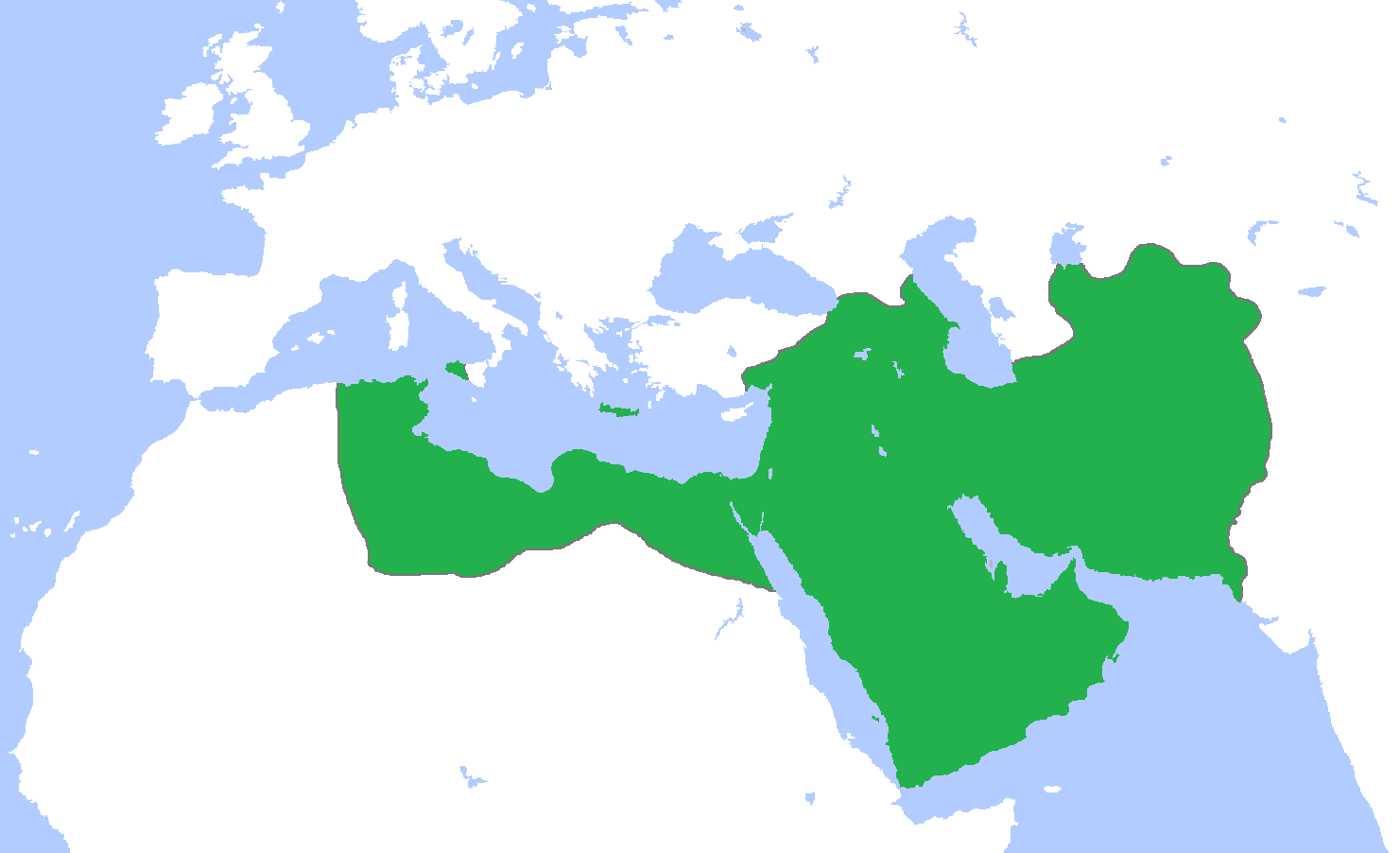
Often called the Golden Age of Islam, the Abbasids turned Baghdad into the intellectual heartbeat of the world. Scholars studied astronomy, debated philosophy, innovated in medicine, and translated works from Greek, Persian, and Sanskrit into Arabic. Figures like Al-Khwarizmi, Ibn Sina, and Al-Farabi laid the foundations for fields ranging from algebra to psychology knowledge that later helped ignite the European Renaissance.
Though Baghdad eventually fell to the Mongols in 1258, the spirit of Abbasid knowledge continued to thrive paving the way for Islamic influence across medieval Europe and Asia.
If you want the Abbasid flag, you can find it in our collection.

4. Ottoman Empire (1299–1922 CE)
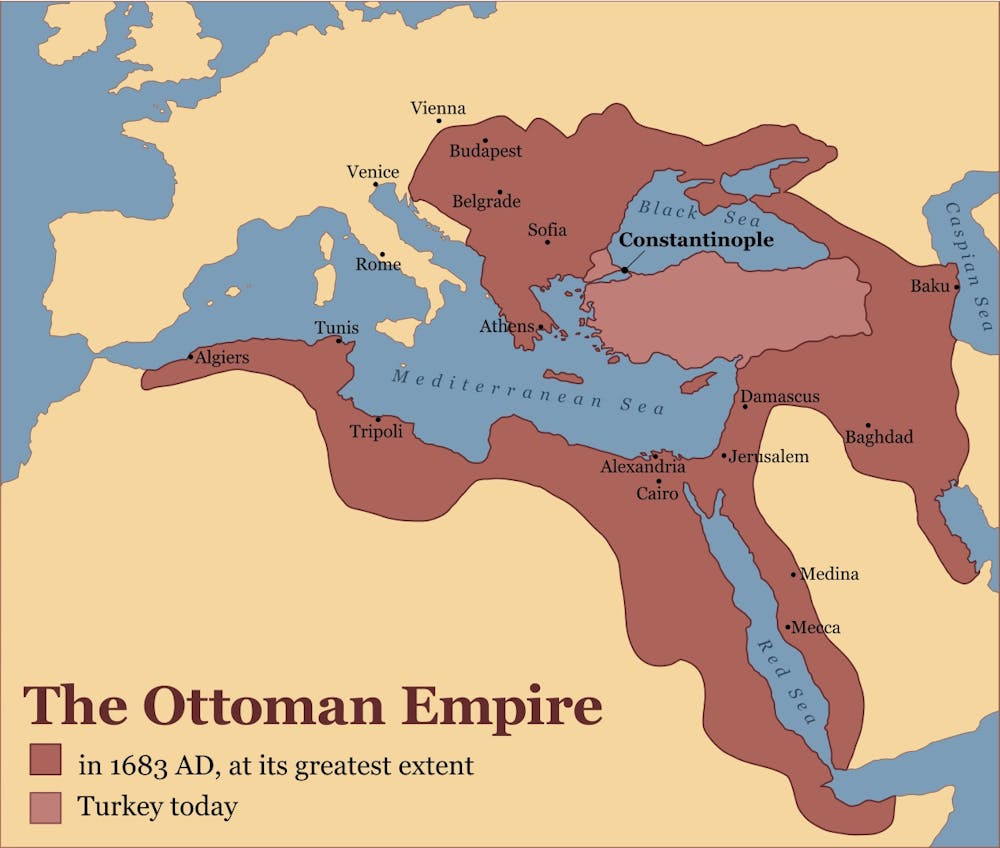 The Ottomans lasted over 600 years one of the longest-lived empires in history. From the capture of Constantinople to the height of Suleiman the Magnificent, they ruled Southeast Europe, the Middle East, and North Africa.
The Ottomans preserved Islamic law, art, and architecture while balancing tradition with modernity. Istanbul became the capital of the Muslim world for centuries.
If you want the Ottoman flag, you can find it in our collection.

5. Seljuk Empire (1037–1194 CE)
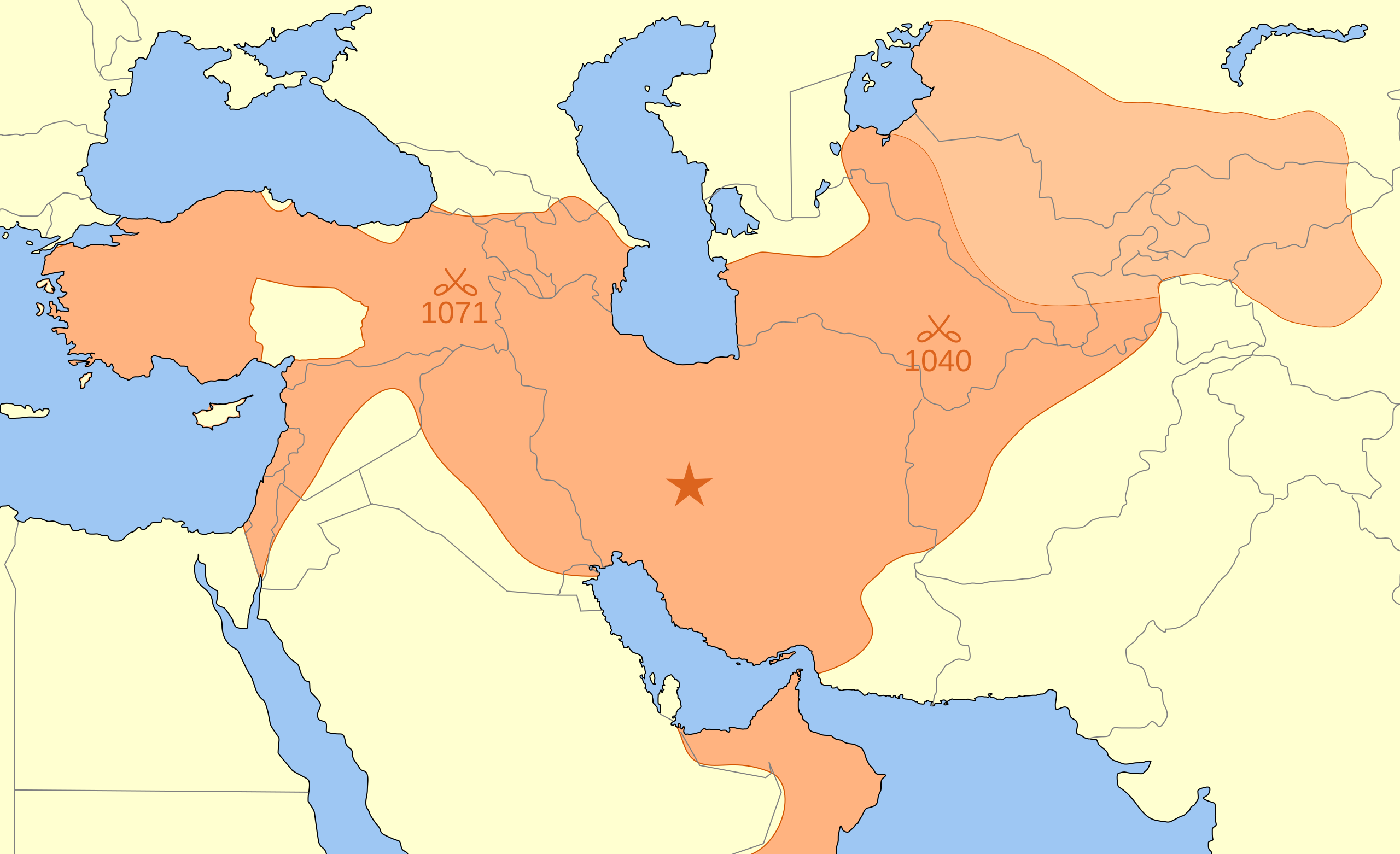
The Seljuks Turkic warriors who embraced Islam transformed the Islamic world into a new era of political, cultural, and intellectual unity. Their victory at Manzikert (1071) paved the way for centuries of Islamic influence in Anatolia, and their vast empire stretched from Iran to Palestine. They were brilliant administrators, organizing the state through the iqtaʿ system and founding thousands of madrasas, which standardized Islamic education.
Great architects built masterpieces like Isfahan’s Grand Mosque, while Persian culture became the language of the administration a legacy that shaped governance across the empire.
If you want the Seljuk flag, it’s available in our collection.
6. Ayyubid Sultanate (1171–1260 CE)

When Salah ad-Din rose to power, he embodied the timeless values of justice, mercy, and bravery. The Ayyubids’ greatest achievement came when they recaptured Jerusalem, ending nearly a century of Crusader rule. Saladin’s leadership taught the medieval world that magnanimity in victory could be as powerful as martial strength.
The Ayyubids also unified much of the Near East, spanning from the Arabian Peninsula to Egypt and Syria, creating centers for learning, culture, and jurisprudence that would outlast their empire.
If you want the Ayyubid flag, you can find it in our collection.

7. Mamluk Sultanate (1250–1517 CE)

Born from slavery, the Mamluks rewrote what was possible transforming themselves into one of the most formidable military powers of the medieval Islamic world. They repelled both the Crusaders and the Mongols, notably stopping the Mongol advance at Ain Jalut in 1260. Cairo was at its height, renowned for scholarship, trade, and culture.
Mamluk sultans patronized madrasas, built monumental mosques, and turned Egypt into the intellectual and spiritual heart of Islam. Their complex power system where leadership rotated among their ranks was balanced and resilient.
If you want the Mamluk flag, it’s available in our store.

8. Mughal Empire (1526–1857 CE)

The Mughals epitomized a vision of cultural fusion. Under emperors like Akbar, Shah Jahan, and Aurangzeb, they built an empire that fused Persian, Islamic, Indian, and Central Asian traditions. Their architecture from the majestic Taj Mahal to the Red Fort continues to inspire awe. The Mughal period was marked by tolerance, governance reform, and patronage of arts and sciences, helping South Asia become one of the world’s most prosperous regions.
This empire demonstrated how Islam could flourish not just through conquest but through cultural synthesis, creating one of the richest civilizations in human history.
If you want the Mughal flag, you can find it in our collection.

9. Almoravid Empire (1040–1147 CE)

Hailing from the Sanhaja Berber tribes of the Sahara and present-day Morocco, the Almoravids were pivotal in uniting North Africa under strong Islamic leadership and defending Al-Andalus from the advancing Reconquista forces. They revived Islamic discipline and governance, launched successful campaigns across the Maghreb and Spain, and founded Marrakesh, which became a lasting center of power and scholarship.
Their legacy of unity, piety, and learning deeply influenced later Muslim dynasties in both Africa and Iberia.
If you want the Almoravid flag, it’s available in our store.

10. Khwarazmian Empire (1077–1231 CE)

Though short-lived, the Khwarazm Shahs ruled over Persia and Central Asia during a period of remarkable prosperity and power. Their military innovations and administration absorbed influences from the Seljuks while advancing the region’s agricultural and commercial output.
The empire’s declining days ended with the devastating Mongol invasion a reminder of how the majestic tapestry of Islamic civilization could still be challenged by the relentless tide of history.
If you want the Khwarazmian flag, you can find it in our collection.

These empires were not just political constructs they were civilizations built by soldiers, scholars, merchants, and families. They recorded humanity’s knowledge, preserved timeless wisdom, and acted as bridges between continents. Today, they remain proof that faith and civilization walk hand-in-hand, shaping the world’s history with justice, knowledge, and compassion.


